Somewhere in your AncestryDNA or 23andMe account, there’s a small download button most people never click. It sits below the ethnicity map and the list of DNA matches, easy to overlook because nothing about it looks particularly exciting. It’s usually labeled something plain like “download raw data,” and clicking it produces a file that looks nothing like the colorful reports you’ve already seen. No pie charts, no cousin matches, just rows of letters and numbers. For most people, that’s exactly where the story ends.
It’s an understandable stopping point. The file looks technical, uninviting, and honestly a little intimidating for anyone without a science background. But that plain-looking file is the actual source material behind everything your ancestry report told you, plus a great deal more that the report never touched. This article walks through what’s actually inside it, why it looks the way it does, and why it’s worth opening despite first impressions, especially if you’ve already put real effort into building out the rest of your family tree.
Why Most People Never Open Their Raw DNA File
Ancestry companies design their platforms to keep most users away from the raw file entirely, not out of secrecy, but because the average customer wants a polished report, not a spreadsheet of genetic letters. The download option exists mostly for people with a specific reason to want it: researchers, genealogists comparing data across platforms, or anyone curious enough to look past the summary. Everyone else clicks through their ethnicity results and never scrolls far enough to notice the download link exists at all.
A File Designed for Machines, Not People
Part of the hesitation makes sense once you actually open the file. It wasn’t built to be human-readable. It was built to be processed by software, which is why it looks like a wall of text rather than anything resembling a report. That doesn’t mean it’s inaccessible, it just means it needs the right tool to translate it into something meaningful, the same way a spreadsheet full of raw numbers needs a chart to become useful at a glance.
What Your Raw DNA File Actually Contains
Open the file, and you’ll typically find a long list of entries, each representing one specific point in your genetic code where people commonly differ from each other. Your ancestry report only draws on a portion of these entries, the ones useful for comparing you to reference populations and identifying relatives. The remaining entries, often the majority of the file, cover an entirely different category: genetic patterns connected to things like metabolism, sleep tendencies, mood regulation, and inflammatory response.
In other words, the file isn’t just a technical byproduct of your ancestry test. It’s closer to a complete genetic reference document, and your ancestry report is just one chapter out of several that could be written from it. Most people read that one chapter, close the book, and never realize the rest of it is sitting right there, written in the same file they already have.
You Don’t Need to Be a Scientist to Use It
The good news is that opening this hidden chapter doesn’t require any scientific training on your part. You don’t need to understand what any individual entry in the file means. The file simply needs to be downloaded from your ancestry account and handed off to a platform built to interpret it, which does the technical translation work for you. The intimidating wall of text becomes a set of readable reports without you ever needing to decode a single line yourself. It’s a lot like handing an old, untranslated letter to someone fluent in the language it was written in, rather than trying to puzzle through it word by word on your own.
Turning That File Into Something Useful
This is exactly the role a platform like SelfDecode plays. It accepts raw DNA files from AncestryDNA, 23andMe, MyHeritage, and other major testing services and analyzes them specifically for health and lifestyle-related genetic patterns, the chapter of your file that your ancestry report never opened. You upload the same plain-looking file you already downloaded, and SelfDecode handles the interpretation from there.
It’s fair to mention a limitation before you get started. An uploaded file gives you a more limited preview than SelfDecode’s own dedicated DNA kit, since third-party files cover a smaller share of the genome and haven’t gone through SelfDecode’s in-house lab processing and validation. The preview is a genuinely useful starting point, but it isn’t as complete or precise as what their own kit provides.
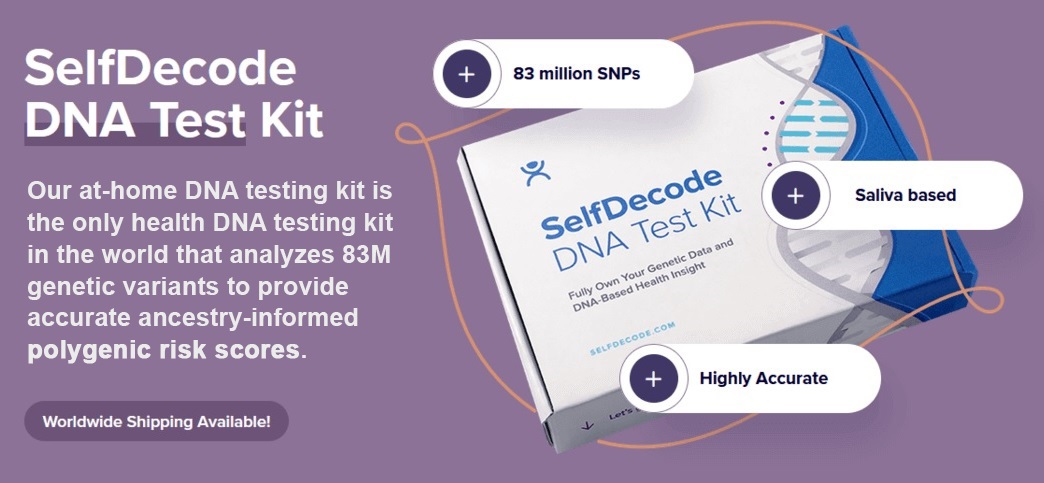
If that preview leaves you wanting a fuller picture, the SelfDecode At-Home DNA Test Kit reads a much larger portion of your genome and unlocks their full library of detailed health reports. It’s the difference between skimming a chapter and reading the whole book.
That plain, unopened file has been sitting in your account this whole time, holding more of your own story than a single ethnicity report was ever going to tell you. All it needed was the right reader. Given how little effort it takes to find out what’s actually in there, it may be one of the simplest research steps left in your entire family history project.
Frequently Asked Questions
Where do I find my raw DNA file?
Most testing services, including AncestryDNA and 23andMe, offer a raw data download option within your account settings, typically located near your test results.
Why does my raw DNA file look so different from my ancestry report?
The raw file is built to be processed by software rather than read directly by people, which is why it appears as rows of text rather than a formatted report.
Do I need scientific knowledge to use my raw DNA file?
No. You simply download the file and upload it to a platform designed to interpret it, such as SelfDecode, which handles the technical analysis for you.
Does my raw DNA file contain more than what’s in my ancestry report?
Yes. Ancestry reports use only a portion of the data in your raw file. The remainder often contains information related to health and lifestyle traits.
Is an uploaded raw file as thorough as a dedicated health DNA kit?
Not quite. Uploaded files provide a more limited preview, since they cover less of the genome and haven’t gone through SelfDecode’s in-house lab processing and validation, unlike their dedicated kit.