
Genealogists are usually the first people to realize their raw DNA file exists in the first place, since downloading it is often a step taken to compare results across ancestry platforms or dig deeper into DNA matches. That familiarity puts genealogists in a good position to take the next step many other DNA test-takers never consider: uploading that same file to a platform built for health-focused genetic analysis.
Before doing that, it helps to understand exactly what you’re getting into. This article covers what genealogists in particular should know going in, including practical considerations, privacy questions worth understanding, and what kind of results to actually expect from the process, so there are no surprises once your file has been uploaded.
Why Genealogists Are a Natural Fit for This Kind of Upload
Genealogists already have several advantages that make this process easier than it might be for someone approaching it cold. Most already know how to locate and download their raw data file, since they’ve likely done so before to compare matches across platforms. They’re also generally comfortable with the idea that a single DNA sample can be analyzed in more than one way, having already seen how differently companies like AncestryDNA and 23andMe present the same underlying data.
Applying Existing Research Habits to a New Purpose
The research instincts genealogists bring to record analysis, patience, attention to detail, and comfort cross-referencing multiple sources, translate directly to interpreting health-related genetic reports responsibly. That background makes genealogists better prepared than most people to approach this kind of analysis with the appropriate mix of curiosity and healthy skepticism. Someone who has spent years learning not to take a single ambiguous record at face value is already halfway toward understanding how to weigh a genetic report with the same careful judgment.
What to Know Before You Upload Your File
A few practical points are worth understanding before uploading. First, your raw DNA file needs to be downloaded directly from your original testing company’s account settings, typically as a plain text or zipped file. Second, not every health-focused platform accepts every testing company’s file format, so it’s worth confirming compatibility beforehand. SelfDecode, for example, accepts uploads from AncestryDNA, 23andMe, MyHeritage, FamilyTreeDNA, and several other major services. Third, the upload process itself is usually quick, often taking only a few minutes, with the resulting analysis becoming available shortly afterward rather than requiring a long wait.
It’s also worth understanding that uploading a file doesn’t affect your original ancestry account in any way. Your ethnicity results, DNA matches, and family tree connections remain exactly as they were. Uploading is simply a matter of sharing a copy of your existing data with a different platform for a different kind of interpretation, similar to how a genealogist might share a copy of the same historical document with two different researchers looking for two different kinds of answers.
Privacy and Data Considerations Worth Understanding
Genetic data is sensitive personal information, and it’s reasonable to think carefully before uploading it anywhere. Before uploading to any platform, it’s worth reviewing that platform’s privacy policy to understand how your data will be stored, whether it will be shared with third parties, and what options you have to delete it later if you choose to. This is good practice regardless of which health-focused platform you’re considering, not specific to any one company.
Genealogists are often already accustomed to thinking about data privacy in the context of DNA matching and shared family information, so applying that same careful consideration to a health-focused upload is a natural extension of habits many already have. Questions worth asking include how long a platform retains uploaded data, whether it’s used for research purposes beyond generating your own reports, and how straightforward the deletion process actually is if you later change your mind.
What to Expect From the Results
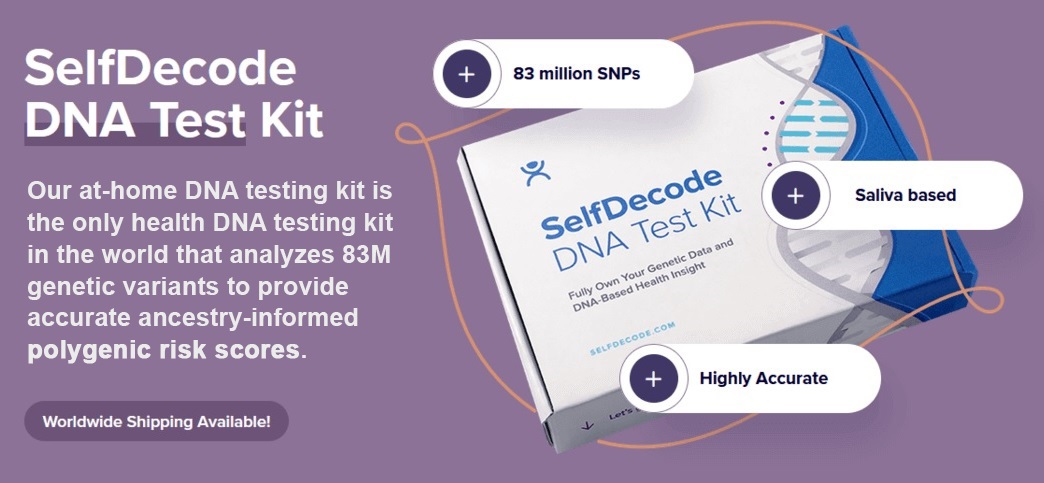
Once uploaded, a platform like SelfDecode analyzes your file for genetic patterns connected to health and lifestyle traits, entirely separate from anything related to ancestry or matching. It’s important to set realistic expectations about the depth of this analysis. An uploaded third-party file provides a more limited preview than SelfDecode’s own dedicated DNA kit, since third-party files cover a smaller portion of the genome and haven’t gone through SelfDecode’s in-house lab processing and validation.
This doesn’t make the preview worthless, it simply means the results are a starting point rather than a complete picture. For genealogists who want a more thorough and validated analysis, the SelfDecode At-Home DNA Test Kit reads a much larger share of the genome and unlocks detailed reports across a wide range of health categories, offering considerably more depth than an uploaded file alone can provide. It’s a natural next step for anyone who finds the initial preview interesting enough to want the fuller picture.
Approaching this process the way you’d approach any other genealogical research project, informed, methodical, and appropriately cautious, will serve you well whether you start with a simple upload or decide the dedicated kit is worth the investment from the start.
Frequently Asked Questions
Where do I find my raw DNA file to upload?
Your raw DNA file is available for download in your account settings on the testing platform you originally used, such as AncestryDNA or 23andMe.
Does uploading my file affect my original ancestry account?
No. Uploading a copy of your raw DNA file to another platform doesn’t change your ethnicity results, DNA matches, or family tree connections on your original account.
Should I check a platform’s privacy policy before uploading?
Yes. It’s good practice to review how any platform stores and handles genetic data before uploading, including whether you can delete your data later if you choose to.
Is the analysis from an uploaded file as complete as a dedicated DNA kit?
Not quite. Uploaded files provide a more limited preview, since they cover less of the genome and haven’t gone through SelfDecode’s in-house lab processing and validation, unlike their dedicated kit.
Which testing services can I upload my raw DNA file from?
SelfDecode accepts raw DNA files from AncestryDNA, 23andMe, MyHeritage, FamilyTreeDNA, and several other major testing services.