When you paid for your DNA test, whether through AncestryDNA, 23andMe, or a similar service, you weren’t just paying for a colorful ethnicity map. You were paying to have your entire genome read and converted into a data file, one that contains far more information than the specific report you were handed. Most people use a small fraction of what they actually purchased, then set the rest aside without a second thought.
For genealogists who think carefully about research resources, that’s worth reconsidering. This article walks through exactly what your DNA test purchase actually included, why the ethnicity report is only one narrow use of that purchase, and how to get more research value out of data you’ve already paid for, without spending another cent on new testing.
What You Actually Paid For When You Bought a DNA Test
A DNA testing company’s core product isn’t really the report you see on your screen. It’s the lab process that reads hundreds of thousands of genetic markers from your sample and converts them into a downloadable raw data file. The report is simply one interpretation of that data, built for one specific purpose: estimating your ethnic background and identifying genetic relatives. The file underneath the report is the actual asset you purchased, and it can be interpreted in more than one way.
A One-Time Cost With Ongoing Research Potential
This distinction matters because it changes how you should think about the value of your original purchase. A one-time DNA test fee doesn’t just buy access to a single report. It buys a permanent, reusable data file that can be applied to multiple types of analysis over time, as new tools and platforms become available, often without any additional lab work or cost.
The Ethnicity Report Is Only One Use of That Purchase
Ancestry composition estimates and DNA matching represent the two main services most testing companies build around their core product. Both are genuinely useful for genealogy research, but they only draw on a portion of the total data collected from your sample. The remaining markers, often the majority of the file, go completely unused by the standard ancestry platform, sitting in your account exactly as they were generated, waiting for a different kind of analysis.
Treating your original test as a single-use purchase, good only for the ethnicity report you already viewed, significantly undervalues what you actually paid for. The file itself remains a reusable research asset long after you’ve closed out your ancestry results.
Other Ways to Get Value From the Same DNA Data
Genealogists who want to maximize the research value of their existing DNA data have a few practical options. Comparing raw data with newly discovered relatives can sometimes reveal connections a standard match list doesn’t surface clearly. Cross-referencing your file against updated reference population databases, as some companies periodically improve their ethnicity models, can refine ancestry estimates over time without any new testing. Perhaps most significantly, uploading the same file to a health-focused platform opens up an entirely different category of information tied to metabolism, sleep, diet, and other health-related traits.
Each of these options draws on data you’ve already paid to have processed. None of them require purchasing a new test, which makes them some of the most cost-effective research moves available to anyone who has already invested in DNA testing. For genealogists accustomed to squeezing every available detail out of a single archival record, this same instinct applies just as well to a DNA file that’s already sitting in an account somewhere.
Turning Your Existing Data Into Health Insight
Of these options, uploading your raw DNA file to a health-focused platform like SelfDecode is one of the more substantial ways to extend the value of your original purchase. SelfDecode accepts raw files from AncestryDNA, 23andMe, and several other major testing services, analyzing them for genetic patterns connected to health and lifestyle traits entirely separate from ancestry or matching.
It’s worth setting expectations here. An uploaded file provides a more limited preview than SelfDecode’s own dedicated DNA kit, since third-party files cover a smaller portion of the genome and haven’t gone through SelfDecode’s in-house lab processing and validation. The preview is a genuinely useful starting point, but it’s less complete and less precise than what their own kit produces.
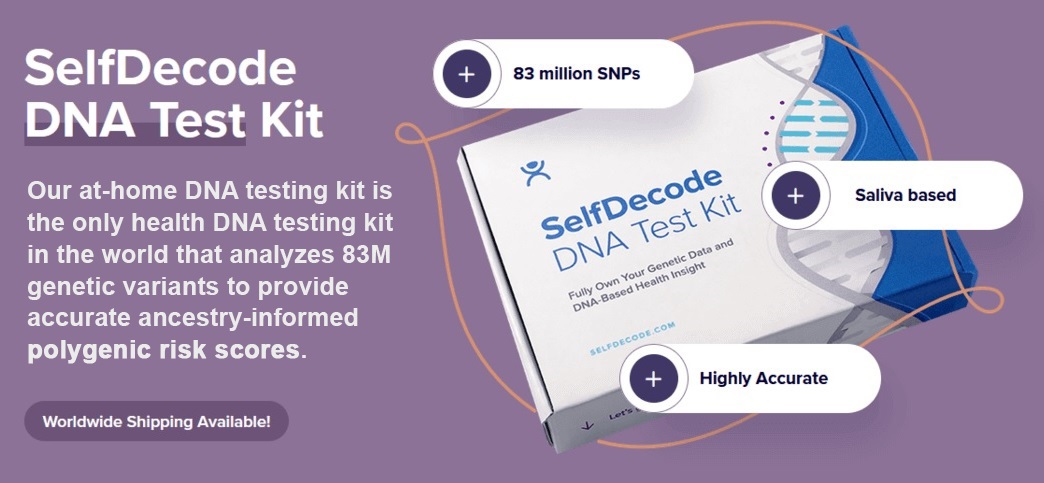
For genealogists who want to extract the fullest possible value from their interest in DNA research, the SelfDecode At-Home DNA Test Kit reads a much larger share of the genome and unlocks a full library of detailed health reports. Rather than treating your original test as a closed chapter, it becomes the starting point for a much broader research investment.
The ethnicity report you received was never the full return on your investment. It was simply the first chapter of a much larger data file, one that’s still sitting there, ready to deliver considerably more value than most people ever bother to claim. Treating that file as a one-time purchase rather than an ongoing research resource is, in a very real sense, leaving part of what you already paid for unused.
Frequently Asked Questions
What does a DNA test purchase actually include?
A DNA test purchase includes the lab processing of your sample into a full raw data file, not just the ethnicity report generated from a portion of that data.
Does my DNA test data expire or become unusable over time?
No. Your raw DNA data file remains a reusable resource that can be applied to different types of analysis, including health-focused platforms, without any new lab testing.
What other value can I get from a DNA test besides the ethnicity report?
Beyond ancestry and matching, the same raw data file can be uploaded to health-focused platforms to explore genetic patterns related to metabolism, sleep, diet, and other traits.
Can I upload my existing raw DNA file to a health platform like SelfDecode?
Yes. SelfDecode accepts raw DNA files from AncestryDNA, 23andMe, and several other major testing services for health-related genetic analysis.
Is an uploaded file as thorough as a dedicated health DNA kit?
Not quite. Uploaded files provide a more limited preview, since they cover less of the genome and haven’t gone through SelfDecode’s in-house lab processing and validation, unlike their dedicated kit.