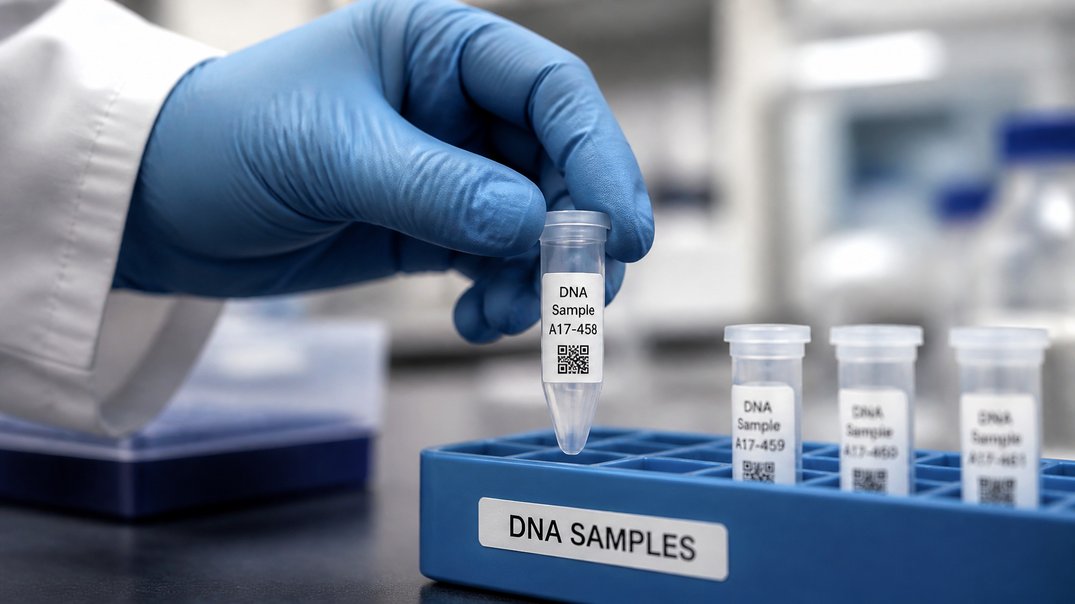
Forensic genealogy has become one of the more surprising success stories in modern investigative work, best known for helping identify suspects and victims in cold cases that had gone unsolved for decades. What makes this possible isn’t some secret database unavailable to the public. It’s the same kind of raw DNA data that millions of people already have sitting in their AncestryDNA, 23andMe, MyHeritage, or FamilyTreeDNA accounts. The difference is in how that data gets read.
Forensic genealogists work with raw DNA files the way a skilled reader works with a dense document: they know exactly which sections carry the most information, how to cross-reference details, and how to avoid drawing conclusions the data doesn’t actually support. Most everyday users open a family tree app, glance at a match list, and move on. Understanding a bit of what forensic genealogists actually look for in that same file reveals just how much information the average person’s raw data contains, and how it can be used for a lot more than confirming a great-grandparent’s home country.
What Forensic Genealogists Actually Do With Raw DNA Data
At its core, forensic genealogy uses the same raw DNA files and shared-match principles available to any consumer, applied with more rigor and cross-referenced against public records like obituaries, newspaper archives, and historical documents. Rather than accepting a platform’s suggested relationship label at face value, a forensic genealogist builds out a full family tree from shared matches, testing and re-testing theories against how much DNA is shared, at what level, and across how many overlapping matches.
This process is methodical rather than mysterious. It relies on patience and a solid understanding of genetic math more than on any special access to data the average person can’t get. Anyone with a raw DNA file and a willingness to learn the same principles can apply a lighter version of this approach to their own family research.
Genetic relationships are measured in centimorgans, a unit describing how much DNA two people share in common. A parent and child typically share around 3,400 centimorgans. Full siblings usually fall somewhere between 2,300 and 2,600. A first cousin might share around 850, while more distant relatives share progressively smaller amounts. These ranges overlap in ways that make relationship prediction more art than exact science at greater distances, which is exactly why professionals rarely rely on a single match to draw a conclusion.
Forensic genealogists use these centimorgan ranges as a starting hypothesis, not a final answer, and then narrow things down by looking at multiple matches at once, comparing how different people relate to each other, not just to the person being researched. This is a technique available to anyone reviewing their own match list, though it requires slowing down and comparing several matches together rather than reading each one in isolation.
Chromosome Mapping and Segment Triangulation
One of the more advanced techniques forensic genealogists rely on is chromosome mapping, which tracks exactly which segments of DNA came from which ancestor, and segment triangulation, which confirms a shared ancestor by identifying a DNA segment shared by three or more people who are also related to each other. This level of detail goes well beyond what a typical ancestry app displays, but the underlying data needed to do it, a chromosome browser and a list of shared segments, is often available within the same platforms most people already use for basic match browsing.
Few casual users ever open a chromosome browser, since it isn’t necessary for a simple ethnicity estimate or a first look at cousin matches. But it’s a good example of how much analytical depth exists in a raw DNA file beyond the surface-level reports most platforms lead with.
Reading Beyond Ethnicity: The Markers Professionals Recognize
Forensic and genetic genealogists, because they work so closely with raw data files, also tend to have a much stronger sense of everything else those files contain beyond relationship information. The same file used to build a family tree includes markers tied to traits like caffeine metabolism, lactose tolerance, and various health-related pathways, information that’s simply never surfaced by ancestry-focused platforms because it isn’t relevant to their core product.
This distinction matters for accuracy. Well-documented, single-gene traits carry strong scientific support, while broader traits like general risk tolerance or mood tendencies involve many genes plus environmental factors, and should be read with appropriately more caution. A professional working with this data daily tends to have a good instinct for which category a given marker falls into. Everyday users generally don’t, simply because they haven’t had reason to learn it, which is exactly the kind of gap a dedicated health-genetics platform is built to close.
Tools Everyday Users Can Borrow From Forensic Genealogy
A few habits from forensic genealogy translate well to personal research, even without professional training. Looking at clusters of shared matches rather than single matches in isolation tends to produce more reliable conclusions. Cross-referencing a DNA match against public records, when available, adds confidence that a family tree connection is a documented one. And treating estimated relationships as ranges rather than exact figures avoids the common mistake of over-trusting a single number on a match list.
Using SelfDecode to Read the Health Side of the Same File
Just as forensic genealogists apply extra scrutiny to relationship data, a health-focused platform applies similar depth to the health-related markers in a raw DNA file that ancestry companies never surface. SelfDecode, a genetics and health analysis platform, allows users to upload their existing raw DNA file from AncestryDNA, 23andMe, MyHeritage, or FamilyTreeDNA and receive organized reports on topics like inflammation, metabolism, and other health-related pathways, translating the same underlying data most people never look at beyond their ethnicity results.
It’s worth noting that an uploaded third-party file only provides a limited preview of this analysis. Because the file was generated using a different company’s lab and chip technology, it may not include every marker SelfDecode’s system is designed to read, and the depth of the resulting reports is narrower than what comes from a sample processed through SelfDecode’s own lab from start to finish.
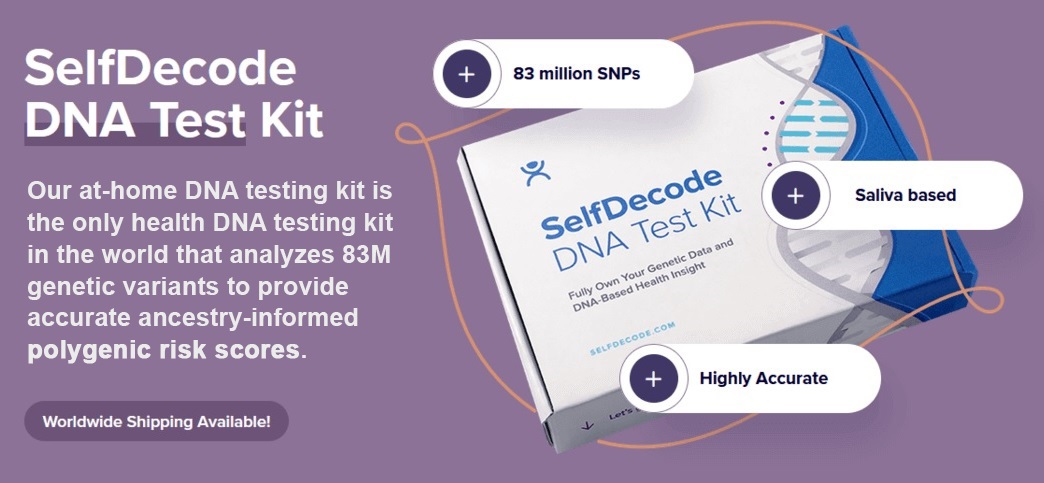
Readers wanting the fuller version of this analysis, comparable in thoroughness to how a professional genealogist treats relationship data, might consider the SelfDecode At-Home DNA Test Kit, priced at around $99, which processes a new sample directly rather than relying on a previously uploaded file.
The raw DNA file sitting in most people’s ancestry accounts holds far more depth than a quick glance at ethnicity percentages or a match list reveals, whether the goal is confirming a distant cousin or understanding a health pathway. It simply takes the right approach, and sometimes the right tool, to read what’s actually there.
Frequently Asked Questions
What is a centimorgan, and why does it matter in DNA testing?
A centimorgan is a unit measuring how much DNA two people share. It’s used to estimate the likely relationship between two people, though ranges overlap at more distant relationships, which is why professionals rarely rely on a single match alone.
What is segment triangulation in genetic genealogy?
Segment triangulation confirms a shared ancestor by identifying a specific DNA segment shared among three or more people who are also related to one another, rather than relying on a single match in isolation.
Can I use forensic genealogy techniques on my own DNA data?
Yes, to a degree. Techniques like comparing clusters of shared matches, using a chromosome browser, and cross-referencing matches against public records are available to everyday users on most major DNA testing platforms.
Do forensic genealogists have access to data other people don’t?
Generally not. They work with the same raw DNA files and shared-match tools available to consumers, applied with more rigor, patience, and cross-referencing against public records.
Does my raw DNA file contain health information forensic genealogists might notice but I wouldn’t?
Yes. Raw DNA files include markers related to traits like caffeine metabolism and lactose tolerance, along with other health-related pathways, information that ancestry platforms typically don’t surface since it falls outside their core focus.