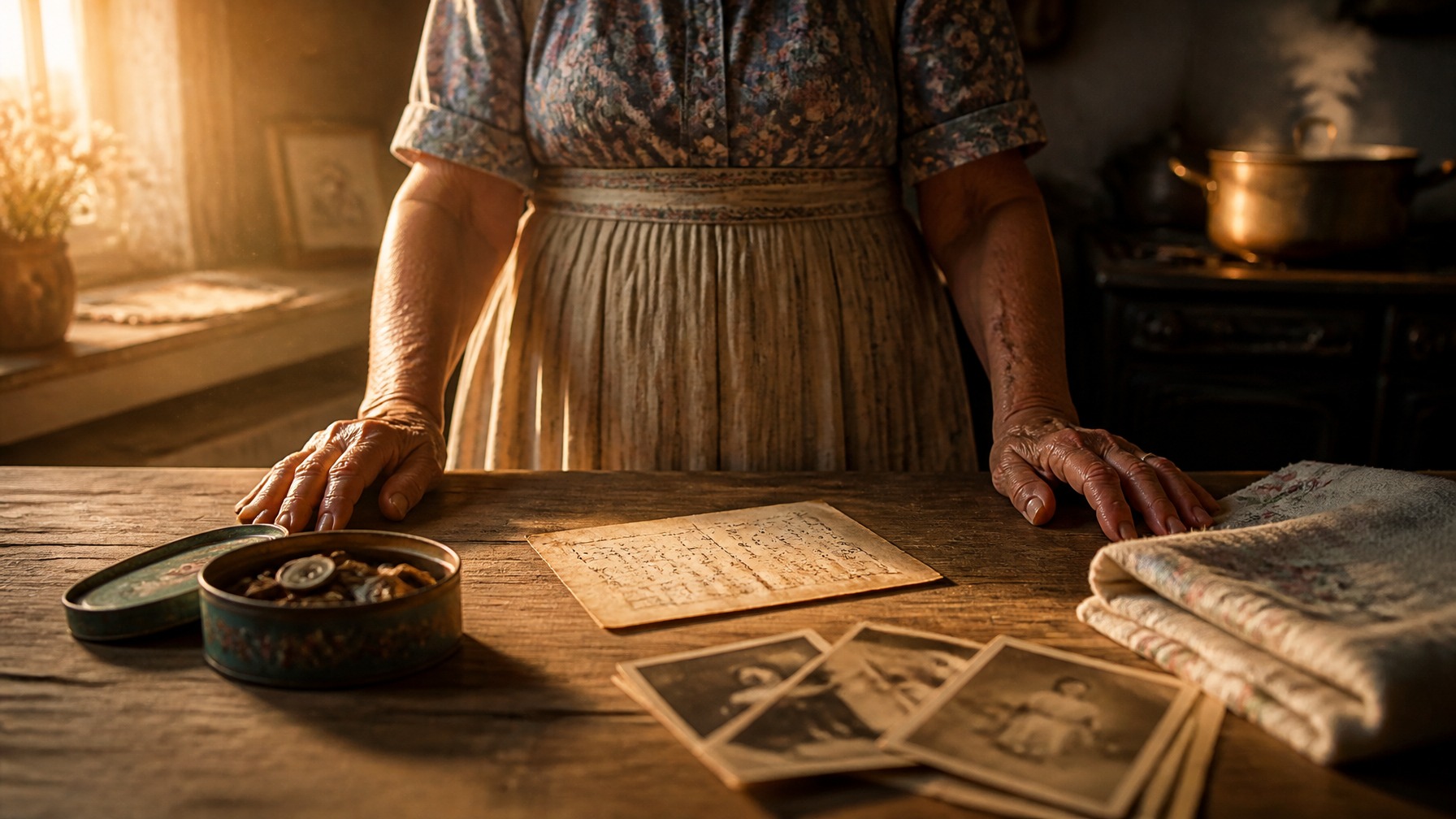
When the paper trail runs out, your family’s living traditions can keep your search for cultural roots moving. Recipes, songs, holidays, sayings, and the stories your relatives tell often point to a region or community even when no document does. Gather those clues, compare them with the records you can still find, and you can build a surprisingly clear picture of where your ancestors came from and how they lived.
Why Surnames Only Tell Part of Your Cultural Ancestry
A surname is a fine place to begin, but it can only take you so far. Spellings can change when a clerk writes a name by ear, families sometimes adopt new names after a move, and a common name can point to several regions at once. Even a perfect match tells you little about how your ancestors cooked, prayed, celebrated, or spoke at home.
Culture travels differently than paperwork. A grandmother can carry a recipe, a lullaby, and a holiday calendar across an ocean without a single document to prove it. That makes cultural clues a useful second track of evidence whenever the first one stalls.
Start With the Records You Can Still Find
Before you lean on tradition, squeeze every detail out of the paper you have. Census records often list a person’s year of immigration, and the National Archives holds passenger arrival records for ships that reached the United States between 1820 and 1982. Those details can give you a date and a port to build on.
Keep in mind that birth, marriage, and death records were never created at the federal level, so you will need to check state, county, and local offices for them. Check the neighbors listed on the same census page as well, since people from the same hometown sometimes lived close together. A partial record can still hand you a place name, a witness, or a godparent to research next.
Family Traditions as Genealogy Clues
Treat your family’s customs like artifacts from an archaeological dig. Each one is small, but together they can suggest a homeland, a religion, or a way of making a living. Start by listing what your family actually does:
- Foods served at holidays, weddings, and funerals
- Songs, lullabies, prayers, and sayings, especially in another language
- Holidays, saints’ days, and rituals your neighbors did not observe
- Crafts, clothing, and household objects passed down through the family
Next to each item, write who practiced it and when. If three cousins remember the same Christmas Eve dish, you have a pattern worth researching. Search for that dish or custom alongside a possible region and see which communities share it. Treat the results as leads rather than proof, because traditions blend and change as families move.
Oral History Interviews That Capture Family Stories
Your oldest relatives hold details that no archive can match, so schedule a conversation soon. The FamilySearch blog suggests deciding the scope of your project first, interviewing in a quiet and comfortable setting, and planning where the finished stories will be saved.
Ask open questions that invite stories. What did your grandparents cook for holidays? Which language did the adults speak at home? What did your family do when someone was born, married, or buried? Which place did they call home, and what did they say about it?
Ask permission before you record, and use each interview as a starting point. Memories can blur over decades, so confirm names and dates against records whenever you can.
Folklore Archives and Community Resources for Cultural Ancestry
Your family’s stories fit into a larger picture. The American Folklife Center at the Library of Congress holds millions of items documenting the songs, stories, and oral histories of diverse communities. Browsing it can show how people from a region celebrated and sang.
Local resources can help as well. Heritage societies, cultural museums, houses of worship, and language classes often know the customs of a specific town or region, and members may recognize a tradition you assumed was unique to your family.
Your Next Step for Tracing Cultural Roots This Week
Pick one tradition and one relative. Call them, ask a single question about that tradition, and write down the answer word for word. That small step often opens a bigger conversation, and it keeps your family’s story from fading.
Frequently Asked Questions
Can Family Traditions Prove Where My Ancestors Came From?
Not by themselves. Traditions can point toward a region or community, but you should confirm those leads with records such as census entries, passenger lists, or church registers.
How Do I Trace Cultural Ancestry Without Documents?
Interview older relatives, list your family’s foods, songs, holidays, and sayings, and compare them with regional customs. Then use neighbors, community organizations, and archives to test what you find.
What Should I Ask Relatives About Our Heritage?
Ask open questions about holiday foods, languages spoken at home, rituals for births, weddings, and funerals, and the places family members called home. The stories matter more than tidy answers.