Human genetics changes slowly, shaped over thousands of generations by whatever food sources a population actually had access to. The modern food environment, filled with packaged snacks, year-round produce shipped from across the globe, and food engineered for shelf life rather than nutrition, is an extremely recent development by comparison. Most of the genetic adaptations related to diet that people carry today were shaped by ancestral conditions that looked nothing like a modern grocery store.
This gap between ancestral genetics and modern food environments is sometimes referred to as an evolutionary mismatch, a concept that’s genuinely useful for understanding why certain dietary patterns feel like such a poor fit for some people’s biology. This article looks at how ancestral diets shaped specific genetic adaptations, where modern food environments diverge from those ancestral patterns, and what that gap might mean, without pretending the science offers a single tidy answer for everyone.
The Evolutionary Mismatch Between Ancestral and Modern Diets
The idea behind evolutionary mismatch is straightforward. Genetic adaptations take many generations to develop, but the modern food supply changed dramatically within just the last century or two, an extraordinarily short span on an evolutionary timescale. Genes tied to how the body processes fat, sugar, and various nutrients were shaped by ancestral diets that were, in most cases, far less calorie-dense and far less processed than what’s widely available today.
A Gap Measured in Generations, Not Centuries
It’s worth being clear about the scale here. Meaningful genetic change in a population typically takes many dozens of generations to become established. The shift toward heavily processed, calorie-dense modern food happened within a handful of generations, nowhere near enough time for genetics to meaningfully catch up. That mismatch is at the center of ongoing nutrition science research.
How Different Ancestral Diets Shaped Different Genetic Adaptations
Not every population adapted to the same ancestral diet, which is part of why genetic responses to modern food vary so much from person to person. Populations with a long history of dairy farming developed lactase persistence, allowing many of their descendants to digest milk into adulthood. Populations with diets historically higher in starches show variation in genes related to starch digestion. Populations that relied more heavily on animal fat, fish, or specific regional staples each carry genetic signatures reflecting those particular ancestral food sources.
This diversity means there’s no single “ancestral diet” that applies to everyone. What counts as an evolutionary mismatch for one person’s genetics, based on their specific ancestral background, may be a much better genetic fit for someone else’s. Broad claims about “the ancestral diet” tend to overlook just how varied human food history actually was across different regions of the world.
Where Modern Food Environments Diverge From Ancestral Patterns
Several features of the modern food supply differ sharply from ancestral conditions, regardless of specific ancestry. Refined sugar and heavily processed carbohydrates are far more concentrated and far more available than anything in most ancestral diets. Constant, easy access to food itself is a significant departure from ancestral patterns, which typically involved more variability in food availability. These broad shifts affect populations across nearly every ancestral background, even as the specific genetic adaptations involved vary from one population to another.
What This Means in Practical Terms
Evolutionary mismatch is a useful framework for understanding why certain modern dietary patterns don’t always align well with human biology, but it’s not a simple formula for exactly what any individual should eat. Genetics is one factor among many, alongside personal health history, lifestyle, and individual variation that even people who share the same ancestry can experience differently. Nutrition science in this area remains an active, evolving field, and broad concepts like evolutionary mismatch are best understood as context rather than a specific prescription.
Exploring Your Own Diet-Related Genetics
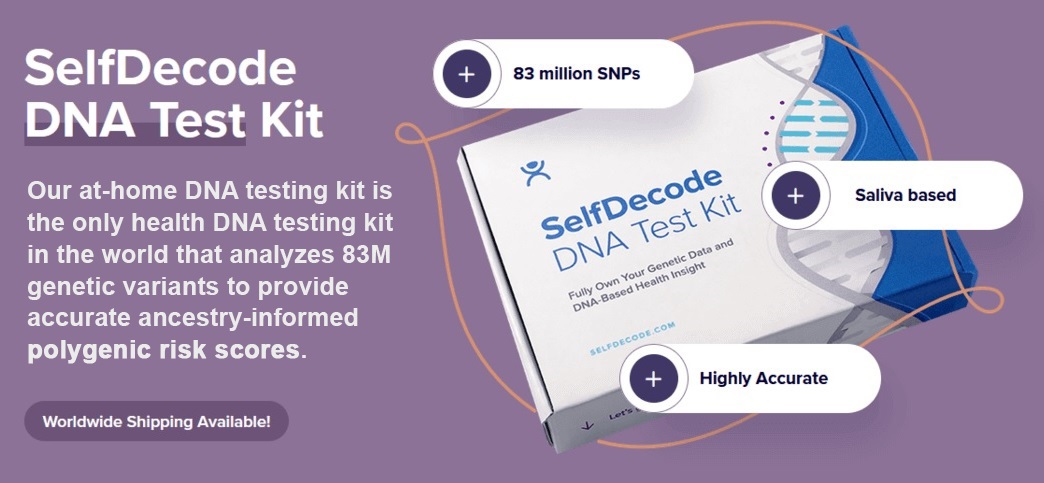
If you’ve already taken a DNA test for genealogy purposes, your raw DNA file contains genetic markers connected to diet-related traits shaped by your specific ancestral background, separate from anything used for your ethnicity results. Uploading that file to a health-focused platform like SelfDecode allows you to explore genetic patterns connected to metabolism and diet-related traits relevant to your own ancestry.
It’s worth knowing that an uploaded file provides a more limited preview than SelfDecode’s own dedicated DNA kit, since third-party files cover a smaller portion of the genome and haven’t gone through SelfDecode’s in-house lab processing and validation.
For a more complete and validated picture of how your genetics relate to diet and metabolism, the SelfDecode At-Home DNA Test Kit reads a much larger share of your genome and unlocks detailed reports across a wide range of health categories. As with any diet-related genetic information, pairing these insights with guidance from a healthcare provider or registered dietitian is the most responsible way to apply them to your own life.
The food on your plate today looks nothing like what shaped your ancestors’ genetics. Understanding that gap doesn’t provide easy answers, but it does offer a more informed lens for thinking about the relationship between your biology and the modern food world it now has to navigate.
Frequently Asked Questions
What is evolutionary mismatch?
Evolutionary mismatch refers to the gap between genetic adaptations shaped by ancestral conditions and the very different food environment most people live in today, since genetic change happens far more slowly than modern food systems have changed.
Did all populations adapt to the same ancestral diet?
No. Different populations adapted to different regional food sources, such as dairy, starches, or animal fat, resulting in different genetic adaptations related to diet across ancestral backgrounds.
Does evolutionary mismatch tell me exactly what I should eat?
No. It’s a useful framework for understanding broad patterns, not a specific prescription. Individual health history, lifestyle, and professional guidance all play an important role in dietary decisions.
Yes. Raw DNA files from services like AncestryDNA or 23andMe can be uploaded to a health-focused platform such as SelfDecode to explore genetic markers related to diet and metabolism.
Yes. Pairing genetic insights with guidance from a healthcare provider or registered dietitian is the most responsible way to apply this kind of information.