

Anyone who has taken an ancestry DNA test has, at some point, faced a small decision that gets less attention than it deserves: what to do with the raw data file once it’s downloaded. Some people leave it untouched in their account forever. Others download it and forget about it. And a growing number upload it to other platforms, whether to find more relative matches, dig deeper into ethnicity estimates, or explore health-related genetics.
That last option raises a fair question. Once a raw DNA file leaves the original testing company and lands on a new platform, what actually happens to it? Who can see it? Is it sold? Shared? Kept forever? The honest answer is that it depends entirely on the platform, and the details live in privacy policies that most people scroll past. Understanding the general landscape, rather than any one company’s fine print, makes it much easier to upload data with confidence instead of guesswork.
How Genetic Data Platforms Typically Store and Use Uploaded Files
When a raw DNA file is uploaded to a new platform, whether for relative matching, ethnicity comparison, or health interpretation, it’s generally stored on that company’s servers and associated with the account that uploaded it. Reputable platforms encrypt genetic data both in storage and during transmission, and most restrict internal employee access to genetic information except where necessary for technical support or legal compliance.
What varies significantly from company to company is what else happens with the data beyond storage. Some platforms use aggregated, de-identified data for research purposes, meaning individual identities are stripped away and the genetic information is studied only in large groups. Others keep uploaded data siloed entirely for the user’s own reports, with no secondary use at all. This is exactly the kind of detail that should be checked in a platform’s privacy policy before uploading, since the practice differs by company and isn’t standardized across the industry.
Third-Party Sharing and Research Partnerships
Many consumer genetics companies partner with academic institutions or biotech and pharmaceutical companies for research. This is usually disclosed, and reputable companies require users to actively opt in before their data is included in any research pool. Opt-in research participation is different from a company selling data outright, which is a practice most established platforms explicitly prohibit in their terms of service.
Still, “opt in” can sometimes be presented as a pre-checked box during account setup rather than a clear, separate choice, so it’s worth reviewing account settings after uploading a file to confirm what’s been agreed to. A few extra minutes spent in a settings menu is a reasonable trade-off for knowing exactly where a genetic file is, and isn’t, being used.
Law Enforcement Access and Genetic Genealogy Databases
One of the more widely reported privacy topics in consumer genetics involves law enforcement’s use of DNA databases to identify suspects or victims through distant relative matches, a practice that gained public attention after high-profile cold cases were solved this way. It’s important to separate fact from assumption here. Major direct-to-consumer companies like AncestryDNA and 23andMe have stated they do not voluntarily share user data with law enforcement without a valid legal order, and typically require a subpoena, court order, or warrant before disclosing any information.
Some smaller, specialty databases, most notably GEDmatch and FamilyTreeDNA in certain configurations, have historically allowed law enforcement matching with explicit user opt-in, and have been more directly involved in forensic genealogy cases. This is a meaningfully different model from a typical health or ancestry platform, and it’s a good example of why reading a platform’s specific policy matters more than assuming all companies operate the same way.
Your Rights: Downloading, Deleting, and Opting Out
Reputable genetics platforms generally offer a few consistent user controls, though the exact process varies by company:
- The ability to download a copy of uploaded raw data at any time
- An option to delete an account and associated genetic data entirely
- Separate consent settings for research participation, distinct from basic account use
- Some form of customer support contact for privacy-specific questions
Users in California, the European Union, and a growing number of other jurisdictions also have specific legal rights under laws like the California Consumer Privacy Act and the General Data Protection Regulation, which can include the right to request full deletion of personal data, including genetic information, from a company’s systems. These protections don’t apply identically everywhere, so it’s worth checking what applies based on where a person lives.
What to Check Before Uploading Your Raw DNA Data Anywhere
Before uploading a raw DNA file to any new platform, a few minutes of due diligence goes a long way. It helps to look for a clearly written privacy policy rather than a vague summary, confirm whether research participation is opt-in rather than automatic, check whether data can be deleted on request, and see whether the company discloses its law enforcement disclosure policy directly. None of this requires legal expertise, just a willingness to read past the marketing page to the actual policy document.
Uploading to SelfDecode for Health-Related Genetic Insight
SelfDecode, a genetics and health analysis platform, is one option people use when they want to explore the health-related information already sitting inside a raw DNA file from AncestryDNA, 23andMe, MyHeritage, or FamilyTreeDNA. The platform allows users to upload their existing file and generates individual reports on topics like inflammation, sleep, and metabolic patterns based on the genetic markers already present in that data.
It’s worth being clear that an uploaded third-party file only provides a limited preview of what SelfDecode’s system can analyze. Because the file was originally generated by a different company using different lab equipment and chip technology, it may not include every marker SelfDecode is built to read, and the resulting reports are narrower than what comes from a sample processed through SelfDecode’s own lab from the start.
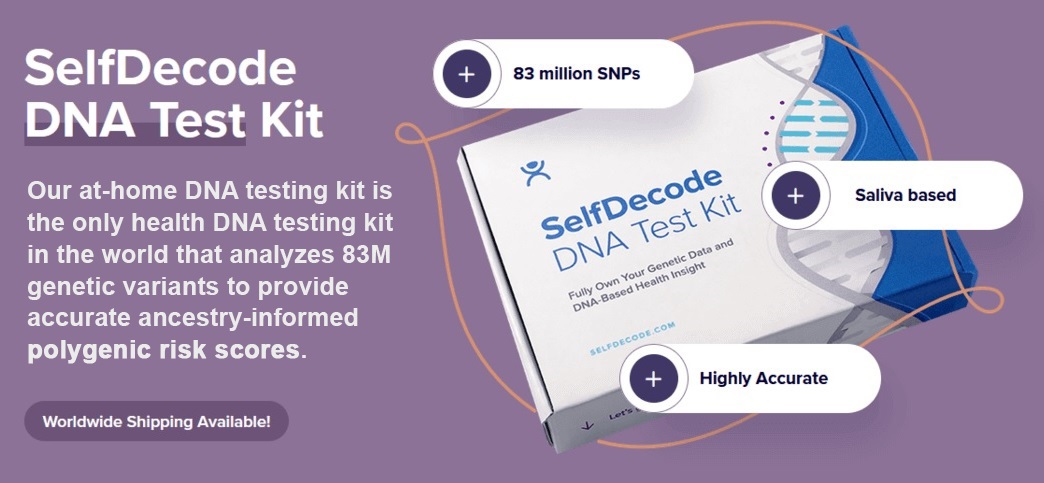
For readers who want the fuller version of that analysis, along with the added confidence of a sample handled by SelfDecode’s own process from collection through reporting, the SelfDecode At-Home DNA Test Kit, priced at around $99, is the more complete option compared to uploading an existing ancestry file.
Privacy questions are worth asking of any platform, SelfDecode included, and the same due diligence described above applies. Reading the specific privacy policy of any company before uploading genetic data is a reasonable habit, not an overreaction.
Frequently Asked Questions
Can genetic testing companies sell my DNA data?
Most established consumer genetics companies explicitly prohibit selling raw genetic data in their terms of service. Some allow de-identified data to be used in research partnerships, but typically only with user opt-in consent.
Can law enforcement access my DNA data without my permission?
Major companies like AncestryDNA and 23andMe generally require a valid legal order, such as a subpoena or warrant, before disclosing user data to law enforcement. Some smaller databases have allowed voluntary law enforcement matching with explicit opt-in from users.
Can I delete my genetic data after uploading it somewhere?
Most reputable platforms allow users to delete their account and associated genetic data. Some jurisdictions, including California and the European Union, also provide legal rights to request full data deletion.
Is it risky to upload my raw DNA file to a health analysis platform?
The main considerations are the same as with any genetics platform: whether the company has a clear privacy policy, whether research participation is opt-in, and whether data can be deleted on request. Reviewing these details before uploading is a reasonable precaution.
Does uploading my data to a new platform delete it from my original ancestry account?
No. Uploading a copy of raw DNA data to a new platform doesn’t remove it from the original testing company. The two accounts and their data are managed independently.