
Genetic information has a strange way of feeling both deeply personal and, at the same time, not entirely one’s own. A gene variant tied to a health condition doesn’t just describe the person who tested. It describes parents, siblings, children, and cousins, all of whom may share it without ever knowing. That reality raises questions that go beyond biology: legal questions about who can use genetic information, and personal ones about what someone is obligated to do once they know something that affects people beyond themselves.
Many people who took a DNA test purely for genealogy purposes never expected to run into these questions at all. But raw DNA files contain more than ethnicity estimates, and once that broader information becomes visible, whether through a health report or a targeted upload to a different platform, it’s worth understanding what protections actually exist, where the gaps are, and what to consider before making decisions based on what the data shows.
What Genetic Discrimination Protections Actually Cover
In the United States, the Genetic Information Nondiscrimination Act, commonly known as GINA, is the primary federal law addressing genetic privacy in specific contexts. Passed in 2008, GINA prohibits health insurers from using genetic information to deny coverage, adjust premiums, or impose different terms based on genetic test results. It also prohibits most employers from using genetic information in hiring, firing, promotion, or other employment decisions.
These protections are meaningful, but they’re also narrower than many people assume. GINA applies specifically to health insurance and employment. It does not extend to several other major categories of insurance, which is a gap worth understanding clearly before treating genetic privacy as a fully settled legal issue.
The Insurance Gap: Life, Disability, and Long-Term Care
Life insurance, disability insurance, and long-term care insurance are not covered by GINA’s protections. In most states, insurers offering these products can legally ask about genetic test results during the application process, and in some cases can use that information to set premiums or deny coverage altogether. A handful of states have passed their own laws extending additional protections in these areas, but there is no uniform national standard the way there is for health insurance and employment.
This matters most for people considering new life, disability, or long-term care policies after having already taken a DNA test, particularly one that included health-related reports. It doesn’t mean genetic information will automatically be requested or used, but it does mean the protection isn’t guaranteed the way it is with health coverage. Anyone with specific concerns about how a known genetic finding might affect an insurance application is generally better served asking an insurance professional or attorney familiar with their state’s specific rules, rather than assuming a blanket federal protection applies.
Do You Have a Responsibility to Tell Your Family?
There’s no legal obligation in the United States requiring someone to share a genetic finding with relatives, even when that finding could be relevant to a sibling’s or parent’s own health. This is an area where the law stays out of what is fundamentally a personal and family decision. Genetic counselors, who specialize in helping people process this kind of information, generally encourage sharing findings that have clear, actionable health implications, particularly for conditions where early awareness leads to meaningful screening or prevention options.
That said, family dynamics are not simple, and not every genetic finding carries the same weight or urgency. A marker loosely associated with a general health tendency is a very different conversation than one tied to a well-established, clinically significant condition. This is exactly the kind of situation where a genetic counselor can help sort out what’s worth raising with family and how to frame it, rather than navigating it alone based on an online report.
How Inherited Risk Information Shapes Major Life Decisions
Beyond insurance and family conversations, genetic risk information sometimes factors into bigger decisions: family planning, lifestyle changes, or how closely someone chooses to monitor a particular aspect of their health going forward. It’s worth repeating a distinction that applies throughout genetics: well-established findings, like certain inherited metabolic conditions, carry much stronger evidence than looser associations tied to complex, multi-gene traits.
Treating every genetic data point with the same level of certainty is one of the more common missteps people make with this kind of information. A result should generally be treated as one piece of context, weighed alongside family history, symptoms, and a conversation with a physician, rather than as a standalone verdict on future health.
Getting the Right Professional Input Before Acting
Because inherited genetic risk touches on medicine, insurance, and sometimes family law, no single type of professional covers the whole picture. A genetic counselor is generally the right first stop for interpreting what a specific finding actually means and how confident the underlying science is. A physician is the right resource for anything related to screening, monitoring, or treatment decisions. An attorney familiar with insurance or estate law becomes relevant if genetic information intersects with a specific insurance application or family financial planning situation. Involving the right professional for the right question tends to produce far better outcomes than trying to interpret everything from a single report.
Where SelfDecode Fits Into This Picture
Raw DNA files from AncestryDNA, 23andMe, MyHeritage, and FamilyTreeDNA already contain many of the markers relevant to this broader conversation about inherited risk. SelfDecode, a genetics and health analysis platform, allows users to upload that existing raw file and receive organized reports covering areas like inflammation, metabolic tendencies, and other health-related pathways drawn from the same data originally collected for ancestry purposes.
An uploaded file, however, only provides a limited preview of SelfDecode’s full analysis. Since the data was generated by a different company’s lab using different underlying technology, it may not include every marker SelfDecode’s system is designed to interpret, and the resulting reports are narrower in scope than results from a sample SelfDecode processes itself from start to finish.
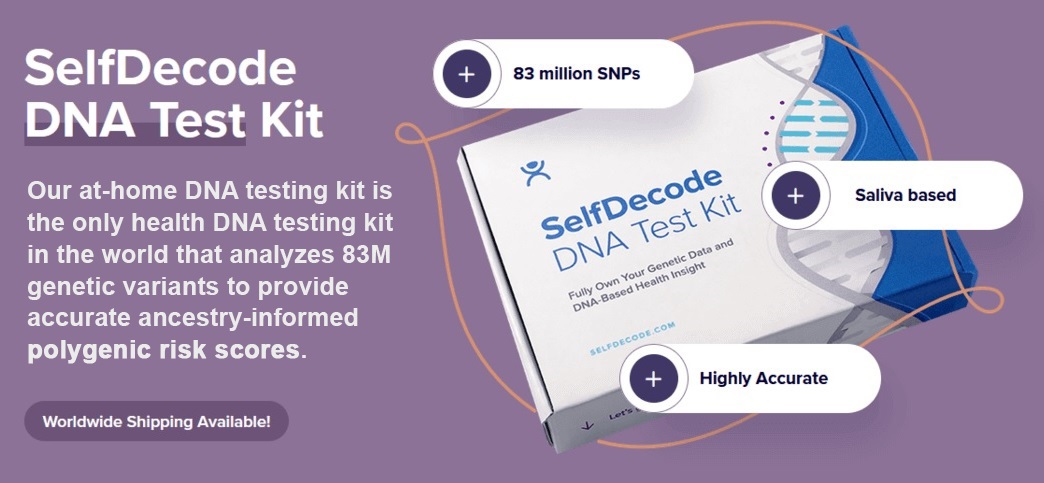
For readers interested in a more complete picture, including a broader panel of reports and greater confidence in the underlying lab data, the SelfDecode At-Home DNA Test Kit, priced at approximately $99, offers a fuller alternative to working from an uploaded third-party file.
Whatever the source of the data, findings related to inherited risk are best treated as a starting point for further conversation, not a final answer, especially given how much these questions can touch on family, medical, and legal territory all at once.
Frequently Asked Questions
Can my health insurance company deny me coverage based on genetic test results?
No. The Genetic Information Nondiscrimination Act (GINA) prohibits health insurers from using genetic information to deny coverage, raise premiums, or set different terms based on genetic test results.
Does GINA protect me when applying for life insurance?
No. GINA’s protections apply to health insurance and employment, not to life, disability, or long-term care insurance. Some states offer additional protections in these areas, but there’s no uniform national rule.
Am I legally required to tell my siblings if I find a genetic risk that could affect them too?
There’s no legal requirement to share genetic findings with family members in the United States. It’s a personal decision, though genetic counselors often encourage sharing information tied to clear, actionable health conditions.
Can my employer see or use my genetic test results?
Under GINA, most employers are prohibited from using genetic information in hiring, firing, promotion, or other employment decisions.
Who should I talk to if I find a concerning genetic result?
A genetic counselor is generally the best starting point for interpreting the finding itself, with a physician involved for any medical follow-up. An attorney may be relevant if the finding intersects with insurance or estate planning decisions.