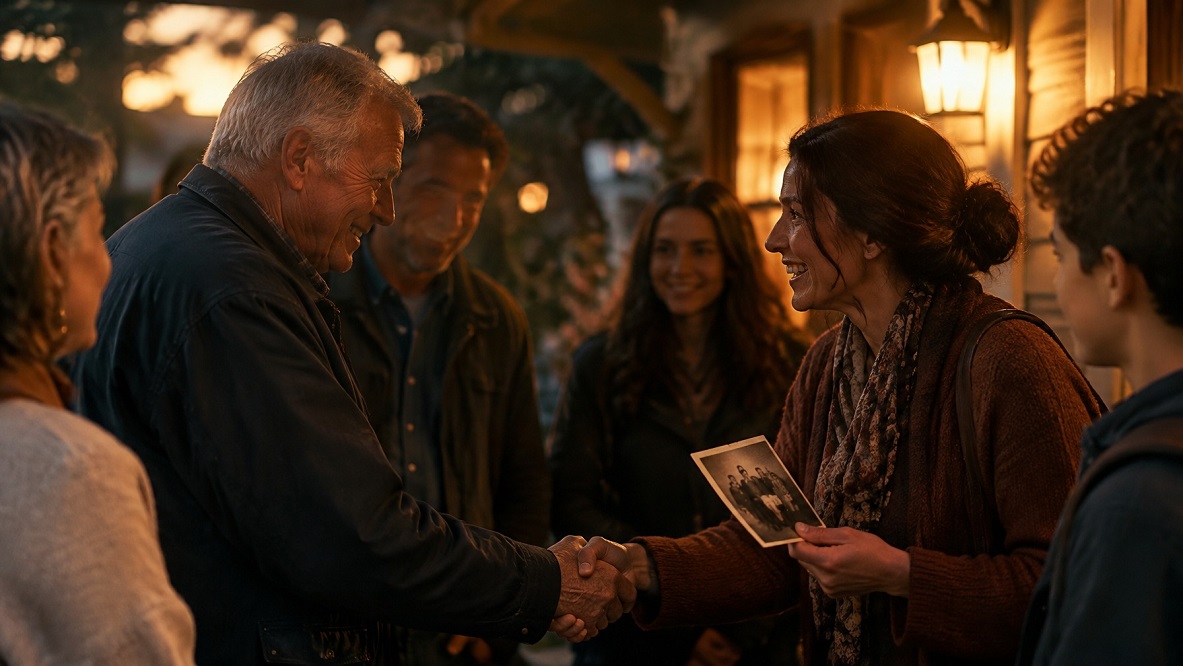
A genealogy-themed family reunion mixes the usual food and fun with family history activities. Choose a meaningful location, send family charts ahead of time, set up a tree wall and photo table, and add games and storytelling. Plan early, assign helpers, and keep each activity simple enough for every age.
Pick a Date and Place With Meaning
A Genealogy.com article on sharing research at reunions suggests holding the event near a family homestead or cemetery, or on a date that matters, such as an ancestor’s arrival in the United States, a wedding, or a birthday.
Not every family can gather at an ancestral site. A local park or hall works fine, and you can bring the history with you. Choose a date that avoids major holidays, and send it out early. Add a short note about why you picked it, so relatives understand the theme and feel invited.
Send Charts Ahead of Time
Ancestral Findings suggests mailing a family tree chart covering three or four generations to each invitee, to fill in and bring along, or to return by mail if they cannot attend. It shows how each person connects to the tree before the day begins.
Include a friendly note explaining the goal. Ask people to fill in what they know and leave blanks for what they do not. Set a return date a few weeks before the reunion so you have time to combine the answers. You will arrive with a better picture of the family than you started with.
Set Up Four Simple Stations
You do not need a large budget. Four stations cover most of what a family wants:
- A large tree wall with pens, where guests fill in blanks.
- A photo table, away from food, for mystery pictures.
- A scanning corner with a scanner or phone app.
- A story corner with a recorder and a quiet chair.
Assign a friendly volunteer to each station. A helper who knows what to do keeps lines short and the mood relaxed. Label each station with a sign so guests can wander at their own pace.

Add Games and Tasty Traditions
Ancestral Findings also suggests family tree trivia, with question cards and prizes, and asking guests to bring a dish made from an old family recipe. Genealogy.com suggests turning family facts into word games or scavenger hunts.
Games break the ice, especially for cousins who have never met. Mix the generations on each team so older relatives share stories and younger ones handle the fun. Write questions from your research, such as where a great-grandfather was born, or what job a great-aunt held. Keep the tone light, and make sure everyone can join.
Plan for Stories and Memory Keeping
Choose a time for storytelling when the room is calm, such as after the meal. Invite older relatives to share a favorite memory, and have a recorder ready with their permission. Keep each story short so more people can speak.
Take a group photo, and write down who is in it. Ancestral Findings recommends labeling the photo and explaining relationships, then sending copies afterward. A labeled photo is a gift your family will use for years.
Divide the Work Among Relatives
A reunion runs better with a small team. Ask one person to handle the venue and food, another to manage invitations, and a third to lead the genealogy activities. Give each helper a clear job and a date.
Young relatives can run the photo table or help with scanning, and older relatives can host the story corner. Sharing the work spreads the fun, and it also gives more people a stake in the day. Send a short checklist a month ahead, and meet by phone or video once before the event to confirm the plan.
Follow Up After the Reunion
Within a week, send a thank-you message with the group photo, a summary of what you learned, and a list of open questions. Update your tree, and credit relatives who contributed. Ask who would like to help at the next reunion.
Keep a simple planning folder with your schedule, supply list, and notes about what worked. Next time you will start with a head start, and the tradition will be easier to carry on.
Frequently Asked Questions
How Far Ahead Should I Start Planning?
Aim for six months to a year, depending on the size of the group. Send the date early and the charts a few months out. Start small and build.
What if Relatives Are Not Interested in Genealogy?
Keep activities optional and fun. Games, food, and photos appeal to almost everyone. Interest often grows once people see the stories.
How Much Should a Genealogy-Themed Reunion Cost?
It can cost very little. Printing charts, name tags, and signs are the main expenses. Ask relatives to bring supplies, such as pens and a laptop.
Do I Need to Be an Expert to Organize One?
No. You need enthusiasm and a basic chart. Invite relatives with more experience to lead a station or give a short talk.