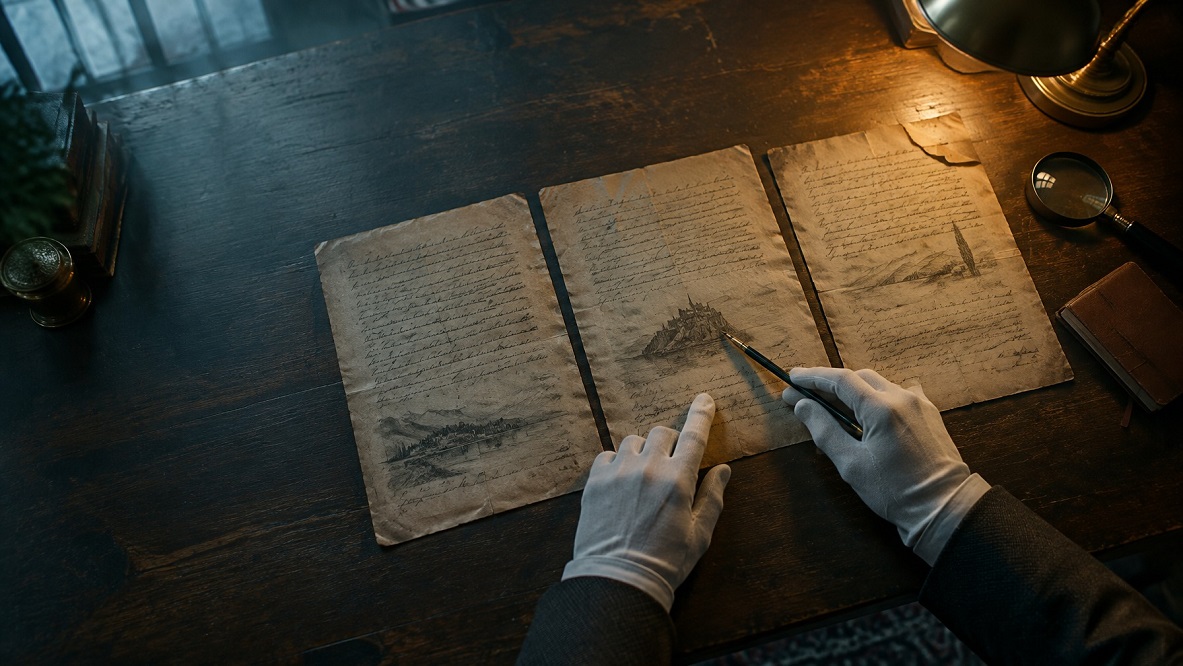
To notice what most genealogy researchers miss, look at the details around a record instead of only the facts about your ancestor. Study the neighbors, witnesses, and informants, check what is missing, and question anything that seems odd. These background clues often point directly to the next record you need.
Read Who Is Standing Near Your Ancestor
Records rarely list a person alone. Census pages show neighbors, marriage records name witnesses, and estate papers name executors and bondsmen. Genealogists call these people the FAN club, which stands for friends, associates, and neighbors. Family Locket credits the idea to Elizabeth Shown Mills and notes that families sometimes moved together with their FAN club, so tracking these people can reveal where a family went next.
Next time you view a record, write down every other name on the page. Today’s stranger may be tomorrow’s key to the family’s origins.
Add these names to a simple spreadsheet, along with the type of record and the role each person played. When the same name appears in several records, such as a witness at a wedding who later buys land beside your ancestor, you have found someone worth researching. Sometimes that person leads you to the record you could not find.
Ask Who Provided the Information
Every record depends on someone’s knowledge. Before you trust a detail, ask who supplied it and whether that person was in a position to know. A relative who was present at a birth is likely to be accurate about it. A neighbor answering the census taker’s questions may have guessed at ages and spellings.
Make it a habit to note the informant, when a record names one. If two sources disagree, you can often judge which is more reliable by comparing how close each informant was to the event.
Notice What Is Missing
Absence can be as informative as presence. Family Tree Magazine notes that a timeline shows what information is missing and where you might look next. Ask these questions when something is not there:
- Why is the family absent from this census? Did they move, or was the page skipped?
- Why is there no will or probate file for someone who owned land?
- Why is there a ten-year gap between records of a person?
- Why does a child appear in one census and vanish from the next?
Each gap suggests a possibility, such as a move, a death, or a lost record, and each possibility suggests a new search.

Pay Attention to Small Oddities
Details that seem odd are often the most valuable. Watch for a line written in a different hand, an entry crossed out and corrected, an age that does not fit with the rest of the household, or a surname that changes spelling partway through a document. Also note people listed out of the usual order, such as a lodger placed beside the family or a grandmother recorded in a different household than expected.
You do not need to explain every oddity immediately. Simply noticing and recording it is a major step, since many answers appear only once you have the right records side by side.
Keep a Running List of Questions
As you read, jot down questions rather than conclusions. Why was this neighbor chosen as a witness? Who lived in the household before the census taker arrived? Why did the family move in 1870?
Turn each question into a possible search, then check it off when you find an answer. A question list gives your next session a clear starting point, and it keeps you curious rather than frustrated when answers are slow to arrive.
Reread One Record With Fresh Questions
Pick a record you have already filed away and read it again, looking only at the people around your ancestor, the person who supplied the facts, and what is missing. You may find that the clue you needed was in the record all along.
Frequently Asked Questions
What Does Reading Between the Lines Mean in Genealogy?
It means looking beyond the stated facts to the context around them. That includes neighbors, witnesses, informants, gaps, and odd details. These background clues often lead to new records.
What Can a Census Record Reveal Beyond Names and Ages?
It can reveal neighbors, occupations, birthplaces, literacy, and the order in which households were visited. Families who lived near each other were sometimes related or came from the same place. The columns vary by year, so read the headings carefully.
Is a Missing Record a Clue or a Dead End?
It can be both. First check whether the record should exist for that time and place, since some records were lost or never created. If it should exist, the absence may suggest a move or a death.
How Often Should You Revisit Old Records?
Revisit them whenever you learn something new about the family. A new name, place, or date can make an old detail suddenly meaningful. Many researchers find answers in records they have already seen.