

Genealogists tend to test with more than one DNA company over the years, comparing results, chasing different match databases, and occasionally testing with a new service simply because a specific research project called for it. That means many genealogists have raw DNA files scattered across multiple accounts, each with its own download process and file format. This guide walks through exactly where to find your file depending on which company you tested with, and what happens once you’re ready to upload it for a health-focused report.
Regardless of which company generated your file, the underlying goal is the same: taking data you’ve already paid for and applying it to a type of analysis your original test was never built to provide. This guide is organized around the major testing companies specifically, so you can jump straight to whichever section applies to your own testing history.
Why This Guide Matters for Genealogists Specifically
Most general guides to raw DNA uploads assume a single starting point, but genealogists often have a more complicated history with DNA testing than the average consumer. It’s common to have tested with one company for its match database and another for its specific ethnicity model, or to have received a kit as a gift years after already testing elsewhere. Knowing exactly where to find your raw file across whichever combination of services you’ve used makes the entire upload process considerably faster, rather than having to hunt through unfamiliar account menus each time.
If You Tested With AncestryDNA
AncestryDNA raw data can be downloaded from your account settings page, typically under a section labeled DNA settings or similar. The file usually arrives as a compressed folder containing a text file with your genetic data. Since AncestryDNA is one of the most widely used testing services among genealogists, most health-focused platforms, including SelfDecode, are built to accept this file format directly. If you’ve tested with AncestryDNA primarily to access their extensive match database and family tree integration, there’s a good chance you’ve never had a reason to open the raw file at all, even though it’s been available in your account the entire time.
If You Tested With 23andMe
23andMe requires you to specifically request your raw data download, which is then prepared and made available in your account within a short period. Like AncestryDNA’s file, it typically arrives as a compressed text file. Genealogists who tested with 23andMe primarily for its health-related ancestry composition features are sometimes surprised to learn that an entirely separate category of health information exists in the same raw file, beyond what 23andMe’s own reports cover. It’s a common misconception that 23andMe’s built-in health reports already represent the full extent of what the file contains, when in reality they only draw on a portion of it.
If You Tested With MyHeritage or FamilyTreeDNA
Both MyHeritage and FamilyTreeDNA also offer raw data downloads through their respective account settings, following a similar process of locating a DNA or data management section and requesting the file. Genealogists who tested with these services specifically to access their unique match databases or research tools can still use the same downloaded file for health-focused analysis, since the underlying genetic data functions the same way regardless of which company originally processed it. This is particularly useful for researchers who tested with a smaller or more specialized service specifically for its regional strengths, without realizing the same file could also serve a completely different purpose.
What to Expect After Uploading
Once you’ve located and downloaded your raw file, regardless of which company it came from, the upload process to a platform like SelfDecode is largely the same. You’ll typically create an account, upload your file, and receive a health-focused analysis covering genetic patterns related to metabolism, sleep, mood, and other lifestyle traits within a reasonably short period.
It’s worth setting expectations here. An uploaded file, regardless of its original source, provides a more limited preview than SelfDecode’s own dedicated DNA kit, since third-party files cover a smaller portion of the genome and haven’t gone through SelfDecode’s in-house lab processing and validation.
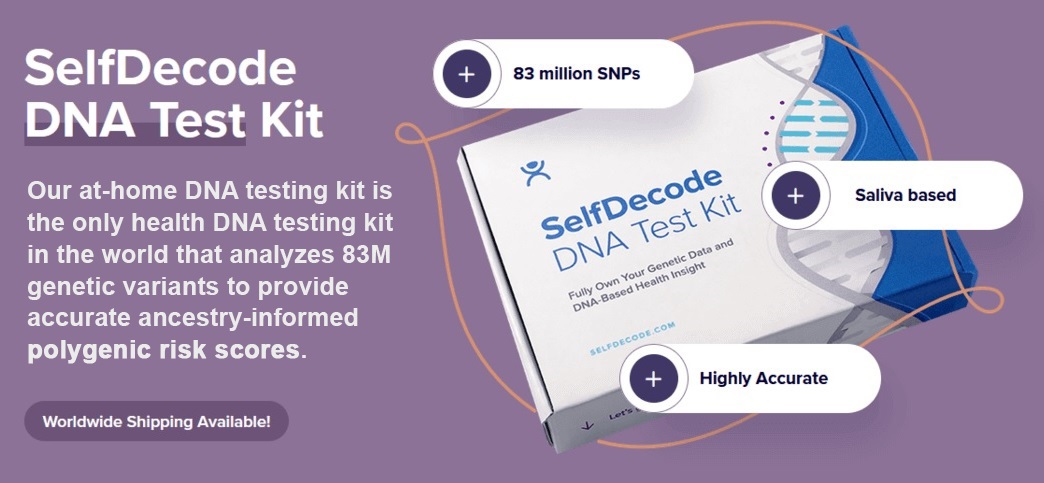
For genealogists who want a more thorough and validated analysis, regardless of which company’s file they started with, the SelfDecode At-Home DNA Test Kit reads a much larger share of the genome and unlocks detailed reports across a wide range of health categories. It offers a considerably more complete picture than any uploaded third-party file can provide, no matter which testing company originally generated it.
Whether your raw file came from AncestryDNA, 23andMe, MyHeritage, or FamilyTreeDNA, the path forward is the same: download what you already have, upload it to the right platform, and see what health-related information has been sitting there all along. The specific company logo on your original test kit doesn’t change what’s possible from here, only where you need to look first.
Frequently Asked Questions
Where do I find my raw DNA file if I tested with AncestryDNA?
AncestryDNA raw data can be downloaded from your account settings page, typically arriving as a compressed folder containing a text file with your genetic data.
Does 23andMe make raw data available immediately?
No. 23andMe requires you to request your raw data download, after which it’s prepared and made available in your account within a short period.
Can I upload a file from MyHeritage or FamilyTreeDNA to a health-focused platform?
Yes. Both services offer raw data downloads that can be uploaded to platforms like SelfDecode for health-focused genetic analysis.
Does it matter which testing company originally processed my DNA?
Not for the purpose of health-focused analysis. The underlying genetic data functions the same way regardless of which company originally generated the file.
Is an uploaded file as thorough as a dedicated health DNA kit?
Not quite. Uploaded files provide a more limited preview, since they cover less of the genome and haven’t gone through SelfDecode’s in-house lab processing and validation, unlike their dedicated kit.