
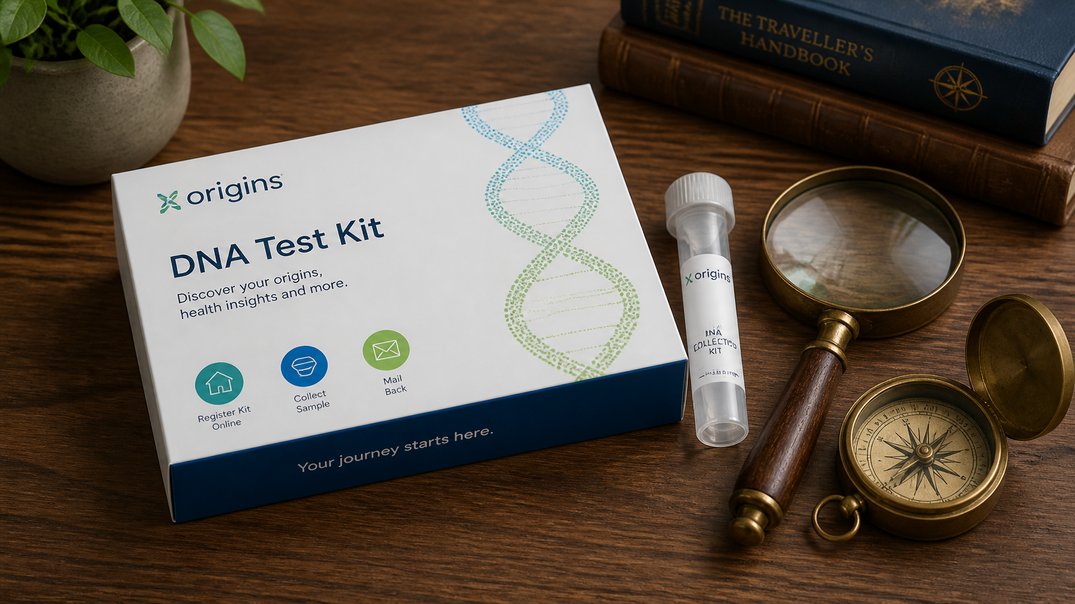
Every DNA test begins the same way: a saliva sample, a mailed-in tube, and a few weeks of waiting. What most people don’t realize when they order that first test is that the single sample they’re submitting is capable of producing two genuinely distinct kinds of discovery, not just one. The first is the discovery most people expect: information about ancestry, ethnic background, and family connections. The second sits quietly in the same data, waiting for anyone curious enough to look for it.
Thinking of a single DNA test as a two-part research project, rather than a one-time ancestry purchase, changes how much value you can pull from a sample you’ve already submitted. This article walks through what each type of discovery actually involves and how to approach the second one using data you likely already have, without needing to spit into another tube.
The First Discovery: What Ancestry Testing Was Built to Reveal
The discovery most people associate with DNA testing is the one built directly into the product: an estimate of ethnic background, a list of potential relatives, and sometimes a rough migration map showing where ancestors may have traveled from. This is genuinely valuable research, often the starting point for entire genealogy projects that unfold over years. It answers questions about where you come from and who you’re connected to, questions genealogists have been asking long before DNA testing existed.
A Well-Defined, Well-Marketed Discovery
Testing companies have built their entire consumer experience around this first discovery, with polished dashboards, ethnicity breakdowns, and match notifications designed to make the process feel complete. That polish is part of why so few people realize there’s a second discovery available in the exact same data, since the platform experience is specifically built to make the first discovery feel like the whole story. It’s a well-designed experience for what it’s meant to do, but that design also has the side effect of making a much larger data file feel fully accounted for when it isn’t.
The Second Discovery Hiding in the Same Data
The second kind of discovery involves the same raw DNA file, interpreted through an entirely different lens. Rather than comparing your genetic markers to reference populations or other test-takers, health-focused analysis looks at how specific variants relate to traits like metabolism, sleep, mood, and inflammation. This discovery has nothing to do with where your ancestors came from and everything to do with how your own body works, information that’s been sitting in your file since the moment your original test was processed.
Because this second discovery uses different markers than the ones analyzed for ancestry, it doesn’t compete with or replace your ethnicity results. It simply adds a completely separate layer of information on top of research you’ve already completed, the way a second expert opinion adds depth to a case rather than replacing the first one entirely.
Why Two Discoveries From One Sample Makes Practical Sense
From a purely practical standpoint, getting two kinds of discovery from a single sample is a far more efficient use of both money and effort than treating each discovery as requiring its own separate test. The lab work, the actual reading of your genetic markers, has already happened. What differs between the two discoveries isn’t the underlying data, but which platform is doing the interpreting and what specific question it’s designed to answer.
This is part of why genealogists who understand their raw DNA file tend to get considerably more research value out of DNA testing than people who never look past their original ancestry report. The second discovery is available at little to no additional cost, using data collection work that’s already been completed. It’s a rare case in consumer research where the hardest, most expensive part of the process is already finished before you even realize a second opportunity exists.
Starting Your Second Discovery
To begin the second discovery, download your raw DNA file from your original testing company’s account settings, then upload it to a health-focused platform like SelfDecode, which accepts files from AncestryDNA, 23andMe, MyHeritage, and several other major services. The platform analyzes your file specifically for health and lifestyle-related genetic patterns, giving you a first look at the discovery your ancestry report never touched.
It’s worth knowing that an uploaded file provides a more limited preview than SelfDecode’s own dedicated DNA kit, since third-party files cover a smaller portion of the genome and haven’t gone through SelfDecode’s in-house lab processing and validation. The preview is a genuine starting point, but it’s less complete and less precise than results from their own kit.
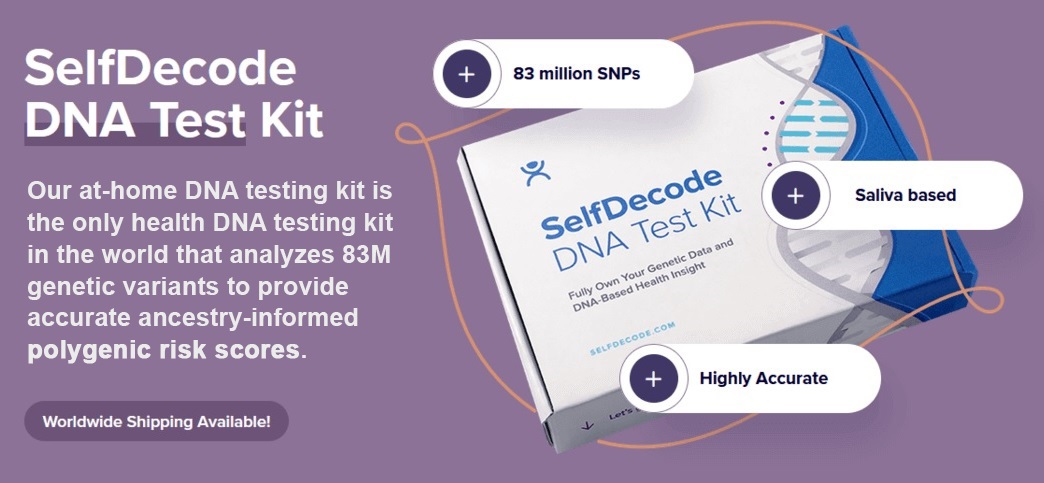
For a fuller version of this second discovery, the SelfDecode At-Home DNA Test Kit reads a much larger share of the genome and unlocks a full library of detailed health reports. It transforms a rough first look into a genuinely thorough second research project, built from the same curiosity that likely sent you searching for your ancestry results in the first place.
One tube of saliva, two very different discoveries. Most people only ever claim the first one, closing the loop on their ancestry results without realizing a second, equally personal discovery was included in the exact same sample all along.
Frequently Asked Questions
Can one DNA sample really provide two different kinds of results?
Yes. The same raw DNA file contains genetic markers used for ancestry analysis as well as an entirely separate set of markers connected to health and lifestyle traits.
Does exploring health genetics affect my ancestry results?
No. Health-focused analysis uses different genetic markers than ancestry estimation and DNA matching, so your original ethnicity results and matches remain unchanged.
Do I need a new DNA sample to explore the second kind of discovery?
No. You can use the raw DNA file you already downloaded from your original testing company by uploading it to a health-focused platform like SelfDecode.
Is an uploaded file as thorough as a dedicated health DNA kit?
Not quite. Uploaded files provide a more limited preview, since they cover less of the genome and haven’t gone through SelfDecode’s in-house lab processing and validation, unlike their dedicated kit.
Which testing services can I upload my file from?
SelfDecode accepts raw DNA files from AncestryDNA, 23andMe, MyHeritage, and several other major testing services.