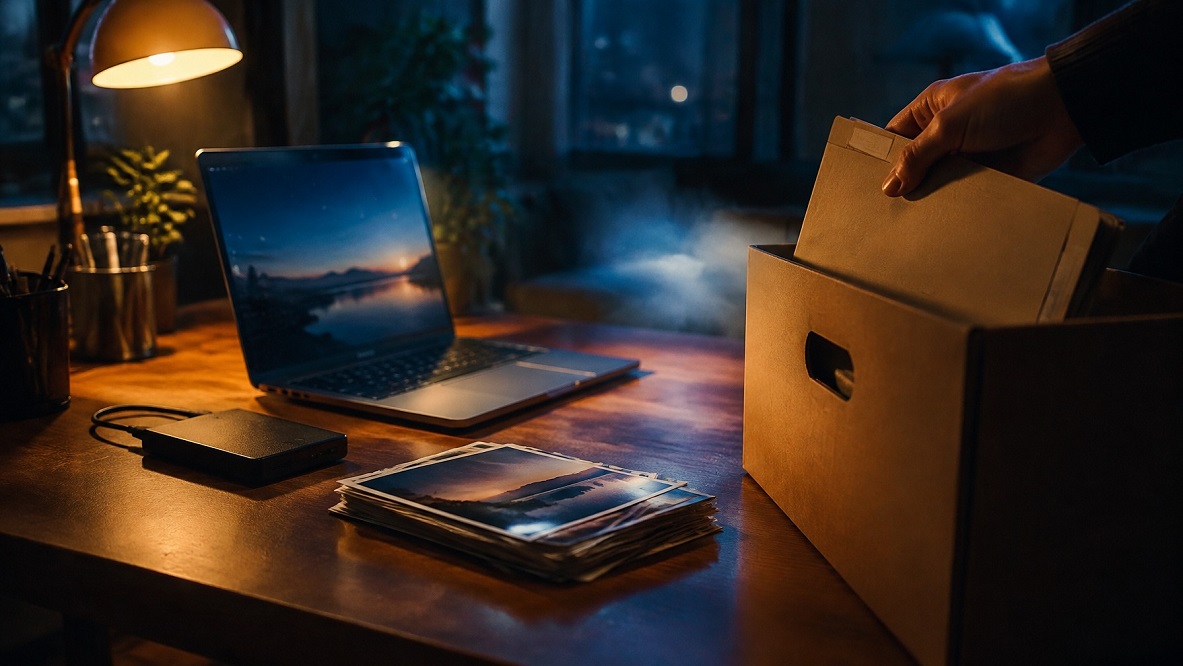
Family historians juggle names, dates, photos, and sources, so the best gifts help them stay organized and focused. Think research logs, filing supplies, backup drives, a comfortable workspace, and tools that protect uninterrupted time. These gifts make steady progress easier, and they suit beginners and experienced researchers alike.
Research Logs and Planning Tools
American Ancestors suggests logging each search with the date, the repository, the call or microfilm number, and a full source citation, and noting results, including whether the record was found or hard to read. It also recommends keeping research questions in a to-do list or a small notebook.
- A bound research notebook with numbered pages.
- A printed log template in a three-ring binder.
- A desk planner for weekly research goals.
- Index cards for single research questions.
A log keeps you from searching the same page twice. A planner keeps you on one goal per session instead of chasing every clue at once.
Filing Supplies for Paper and Digital Records
The same guide advises building a folder hierarchy, using an index or table of contents for physical files, and staying consistent with file names, localities, and arrangement. A few simple supplies make this easy.
- Binders in several colors, one for each family line.
- Tabbed dividers and sheet protectors.
- Hanging folders and a small file box.
- Labels for folders, drawers, and shelves.
Color-coding saves time. A researcher who can find the Miller binder in two seconds is more likely to keep working than one who spends ten minutes looking.

Backup Drives and Digital Storage
The guide also suggests keeping digitized images in several places, such as external drives, DVDs, and cloud storage. It recommends logging each image with its file name, date, description, people shown, and the location of the original.
- An external hard drive for the main collection.
- A second drive for a backup copy.
- Flash drives for sharing files with relatives.
- Cloud storage for an off-site copy.
Pair a drive with a simple label and a short note that lists what is stored on it. Good backups let a researcher work without worrying about losing years of scans.
Gifts for Protecting Focused Time
Research goes better when you can concentrate for a stretch. A few small items help set the stage, and none of them needs to be fancy:
- A desk lamp with an adjustable arm, for reading old handwriting.
- Noise-reducing headphones, for a busy household.
- A simple kitchen timer for focused 25-minute sessions.
- A comfortable chair and a footrest for long sittings.
- A tidy tray or basket for the current project.
Encourage the recipient to pick one task per session, silence notifications, and keep a notepad nearby for stray ideas. Writing a distraction down lets them return to it later without losing their place.
Protect the Originals While You Organize
Organizing includes storing physical records well. The National Archives advises keeping items in acid-free containers, away from damp basements, hot attics, and windows, and avoiding pressure-sensitive tape and rubber bands. A few archival folders and boxes make a tidy and protective gift.
Offer to help set it up. An afternoon spent sorting, labeling, and boxing a pile of loose photos can turn chaos into a clear collection. The recipient will thank you for years.
Gifts for Steady Weekly Habits
Consistency beats marathon sessions. A wall calendar for marking research days, a stack of sticky notes for the next question, and a small box for loose papers all support a weekly rhythm. Even 30 minutes on a regular schedule adds up over a year.
Pair these with a reminder system, such as a calendar alert for the same hour each week. A gift that encourages a routine often matters more than an expensive tool, because the routine is what keeps projects moving.
Start the New Year With a Plan
A well-chosen gift can mark the start of a better routine. Pair your gift with a card that suggests one small goal, such as logging every search in January or scanning one box of photos each month. Steady habits, supported by good tools, lead to real progress.
Frequently Asked Questions
What Is the Best Organizing Gift for a Beginner?
A research notebook and a set of binders and dividers is a great start. Add a flash drive for backups. Keep it simple, so it is easy to use right away.
How Can a Gift Help Someone Stay Focused?
Choose items that support a calm workspace, such as a good lamp, headphones, and a timer. Add a planner for weekly goals. Small habits matter more than gadgets.
Do I Need Special Software to Stay Organized?
Not necessarily. A spreadsheet, a notebook, and a consistent folder system work well. Family tree software can help, but it is optional.
How Often Should Files Be Backed Up?
Back up after each research session or at least weekly. Keep one copy off-site, such as in cloud storage. Check the copies once in a while.